
Yale Study: Taurine Calmed Age-Related Inflammation in Mice
A new study in Cell found taurine levels rise with age in people, immune cells release up to 80% of theirs before an inflammatory alarm, and extra taurine improved signs of healthy aging in old mice. It hasn't been tested as a treatment in people.

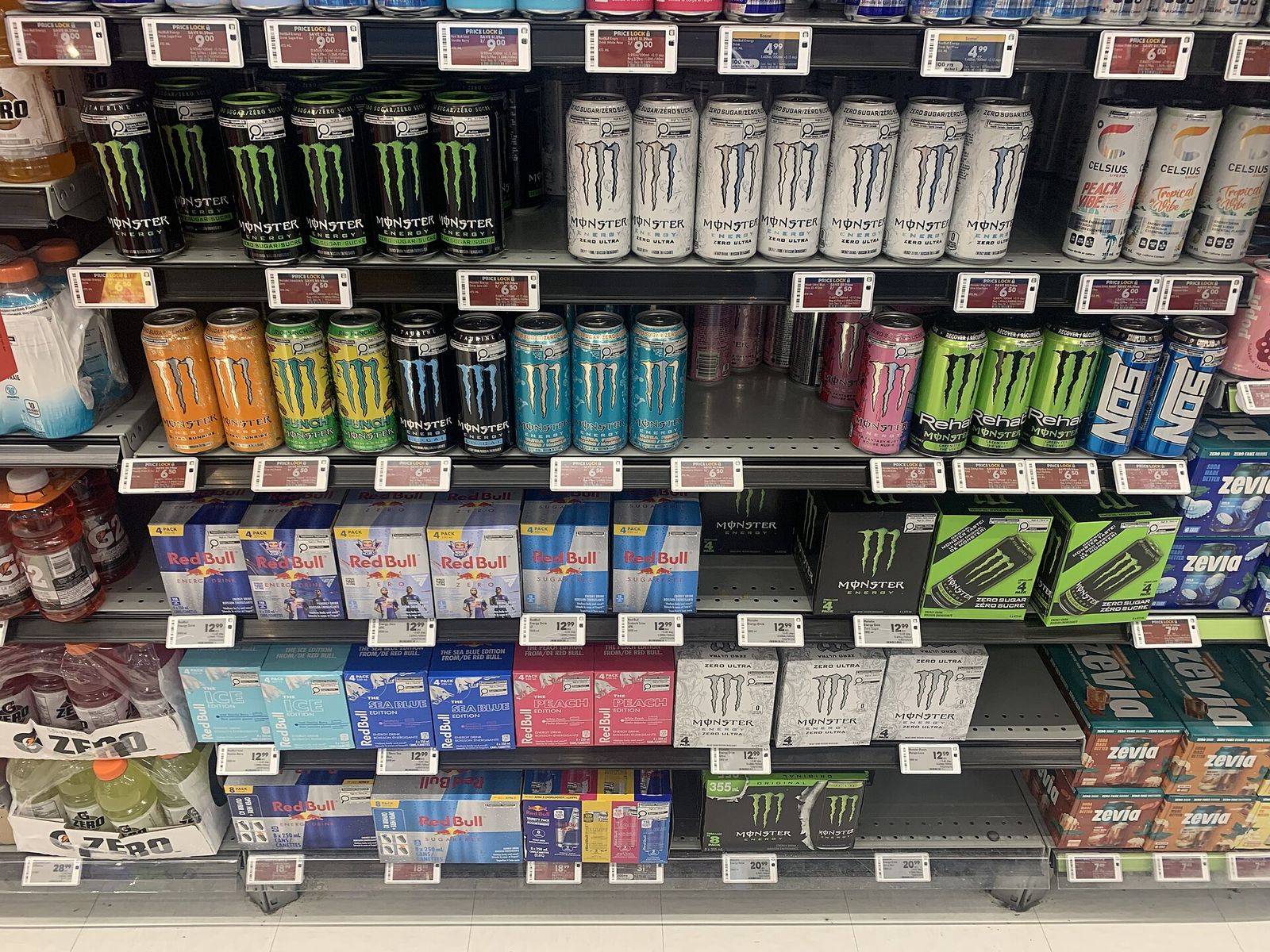
If you’ve ever squinted at the back of an energy drink can, you’ve seen taurine on the label. It’s an amino acid your body already makes and carries around in large amounts. And on October 23, a team at Yale School of Medicine published a study in the journal Cell suggesting taurine plays a surprisingly central role in how your immune system decides to start inflammation, especially the slow, simmering kind that comes with getting older.
Before anyone restocks the fridge: this research was done in cells and mice, with some measurements in human blood. Nobody tested taurine as a treatment in people.
What they found
1. Taurine goes up with age, not down. The researchers expected the opposite. But when they compared blood from younger adults (ages 20 to 40) with older adults (60 to 99), the older group actually had more taurine. Same story in mice. That’s notable because a widely covered 2023 study in Science argued that taurine declines with age. The Yale paper says that question is still debated, and its authors think the rise may be the body’s attempt to fight back against inflammation.
2. Immune cells dump their taurine before raising the alarm. Macrophages are front-line immune cells. When they sense danger (like bacterial toxins), a molecular switch called the NLRP3 inflammasome assembles and kicks off inflammation. In lab dishes, the Yale team saw macrophages release up to 80% of their taurine as that switch was assembling. When they put taurine back, the inflammatory response stopped. When they lowered taurine, inflammation got worse, even in young mice.
3. Extra taurine helped old mice. Raising taurine further in aged mice improved measures of “health span” (how healthy they stayed as they aged), dialed down inflammation, and reduced deaths from sepsis in the experiments. Senior author Vishwa Deep Dixit called taurine “one of the brakes within the cells that is keeping the inflammasome in check.”
Why it matters
Chronic low-level inflammation, nicknamed “inflammaging,” is linked to a lot of the wear and tear of old age. Scientists have long wondered how one immune sensor can react to so many totally different danger signals. This study proposes an answer: the cell watches its own taurine levels, and losing taurine is the trigger.
That makes taurine a possible target for future treatments for age-related inflammation and inflammasome-driven diseases. The key word is future.
What it doesn’t mean
- It’s not evidence that energy drinks or taurine supplements slow aging in people. The study didn’t test either in humans.
- It’s an early, lab-and-animal result. Dixit’s team says it’s now studying what happens to the taurine after it leaves the cell, and whether this could translate into something that helps older adults.
- This isn’t medical advice, so talk to a doctor before adding any supplement.
Sources
- Yale School of Medicine: Study Reveals Amino Acid Can Diminish Age-Related Inflammation (Oct. 23, 2026)
- Cell: Taurine lowers inflammaging by regulating the NLRP3 inflammasome in macrophages (open access)
- PubMed abstract (PMID 42914977)
So here’s my question: if a human trial opens up, would you volunteer, or wait to see how it goes for everyone else? Let me know.