
FDA Approves a First-of-Its-Kind Hepatitis B Drug: What It Means
The FDA approved GSK's Hibsago (bepirovirsen) on Oct. 20 for certain adults with chronic hepatitis B. In two phase 3 trials, 19% kept the virus under control 24 weeks after stopping all treatment. Here's who it's for and what the catch is.

Here’s a number that stopped me mid-scroll: 233 out of 1,220. That’s how many people in two big trials kept hepatitis B under control six months after they stopped every hepatitis B medicine. On placebo, the number was zero out of 614.
The drug behind it is Hibsago (bepirovirsen) from GSK, and the FDA approved it on October 20 for certain adults with chronic hepatitis B. It’s the first FDA-approved antisense oligonucleotide for the disease. That’s a mouthful, so let’s break it down.
What happened
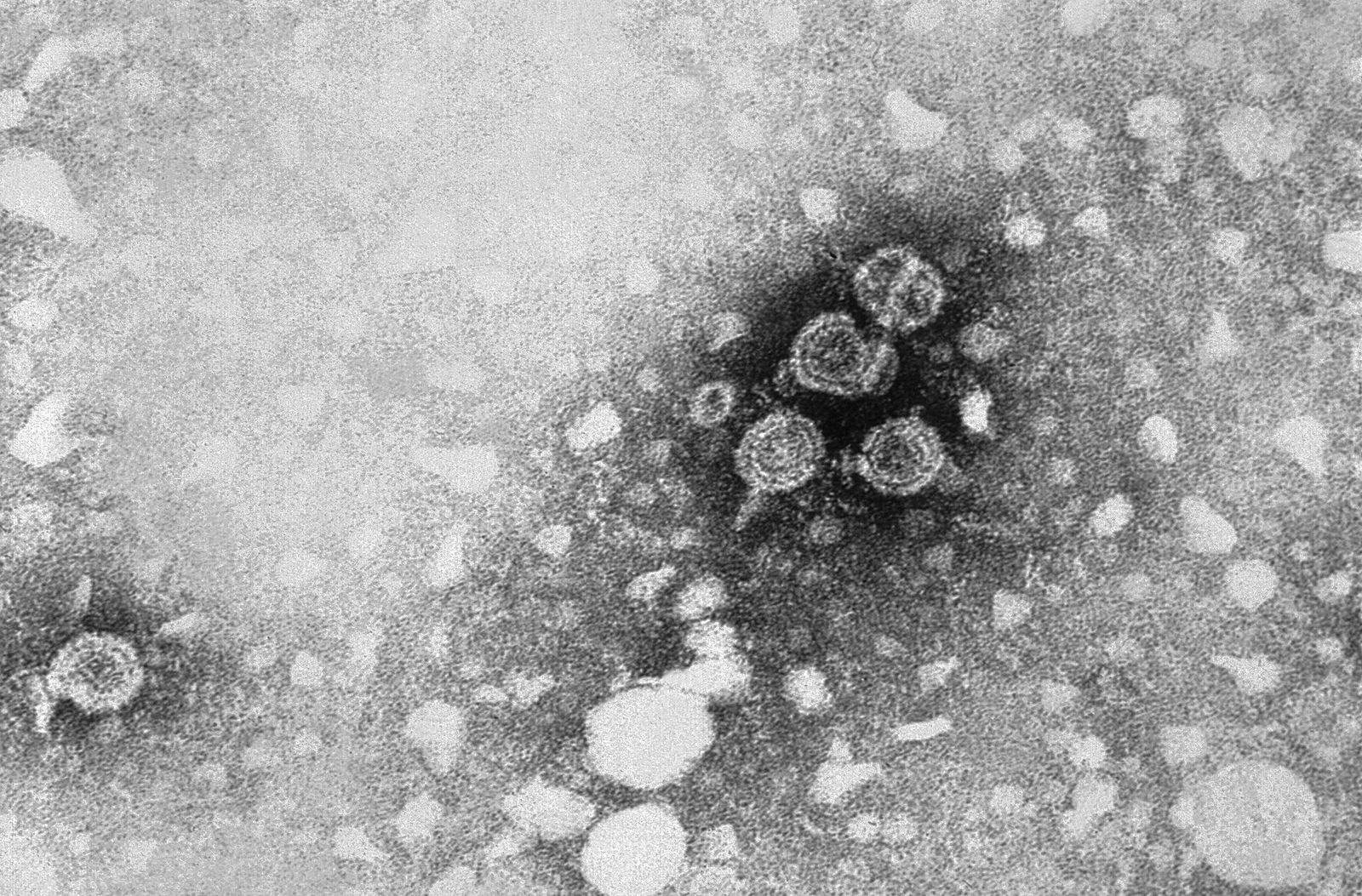
Chronic hepatitis B is a long-term liver infection. GSK says it affects about 1.7 million people in the US, and over time it can lead to cirrhosis and liver cancer. Today, most patients take antiviral pills for years to keep the virus suppressed, but those pills rarely clear it.
Hibsago works differently. It targets the genetic instructions the virus uses to copy itself and make its proteins, which lowers both the virus and a viral protein called HBsAg. Patients get injections for up to 24 weeks, on top of their usual antiviral pills, then keep taking the pills for at least another 24 weeks. Some can then stop treatment if their lab results qualify.
The results
The approval rests on two phase 3 trials, B-Well 1 and B-Well 2, which enrolled 1,838 adults in 29 countries, according to AGA’s GI & Hepatology News:
- 24% of people on Hibsago qualified to stop their antiviral pills, versus none on placebo.
- 19% reached what doctors call a “functional cure”: no detectable virus or HBsAg for 24 weeks after stopping all treatment.
- People who started with lower HBsAg levels did better, about 26% among those at 1,000 IU/mL or less, per GSK.
- Of those 233 responders, 91% were still in control at week 96.
Why it matters (and what it doesn’t mean)
For a disease where treatment usually means pills for years, a defined six-month course that lets some people stop is a real shift. But keep it in perspective:
- It’s not for everyone. It’s approved only for adults without cirrhosis who’ve been on antivirals for at least six months, have suppressed virus, and have HBsAg at or below 3,000 IU/mL on an FDA-authorized test.
- Most people in the trials didn’t reach functional cure. About four in five didn’t.
- It has serious risks. The label carries a boxed warning for liver flares and low platelet counts, so patients need regular blood tests.
- Long-term durability is still being studied beyond about two years.
This isn’t medical advice. If you or someone you love has hepatitis B, your doctor is the one to ask whether this fits.
Sources
- FDA: FDA Approves First-of-Its-Kind Chronic Hepatitis B Treatment (Oct. 20, 2026)
- GSK: Hibsago (bepirovirsen) approved in the US
- AGA GI & Hepatology News: bepirovirsen approval gives some patients a path off lifelong antivirals
So I’m curious: would you trade years of daily pills for six months of shots, knowing it works for about one in five? Tell me below.