
Personalized mRNA Vaccine Cut Melanoma Recurrence-or-Death Risk by 42% in a Phase 3 Trial
Merck and Moderna's investigational mRNA shot intismeran, added to Keytruda after melanoma surgery, lowered the risk of the cancer returning or death by 42% versus Keytruda alone in the phase 3 INTerpath-001 trial. It is not approved yet, and survival data are still coming.

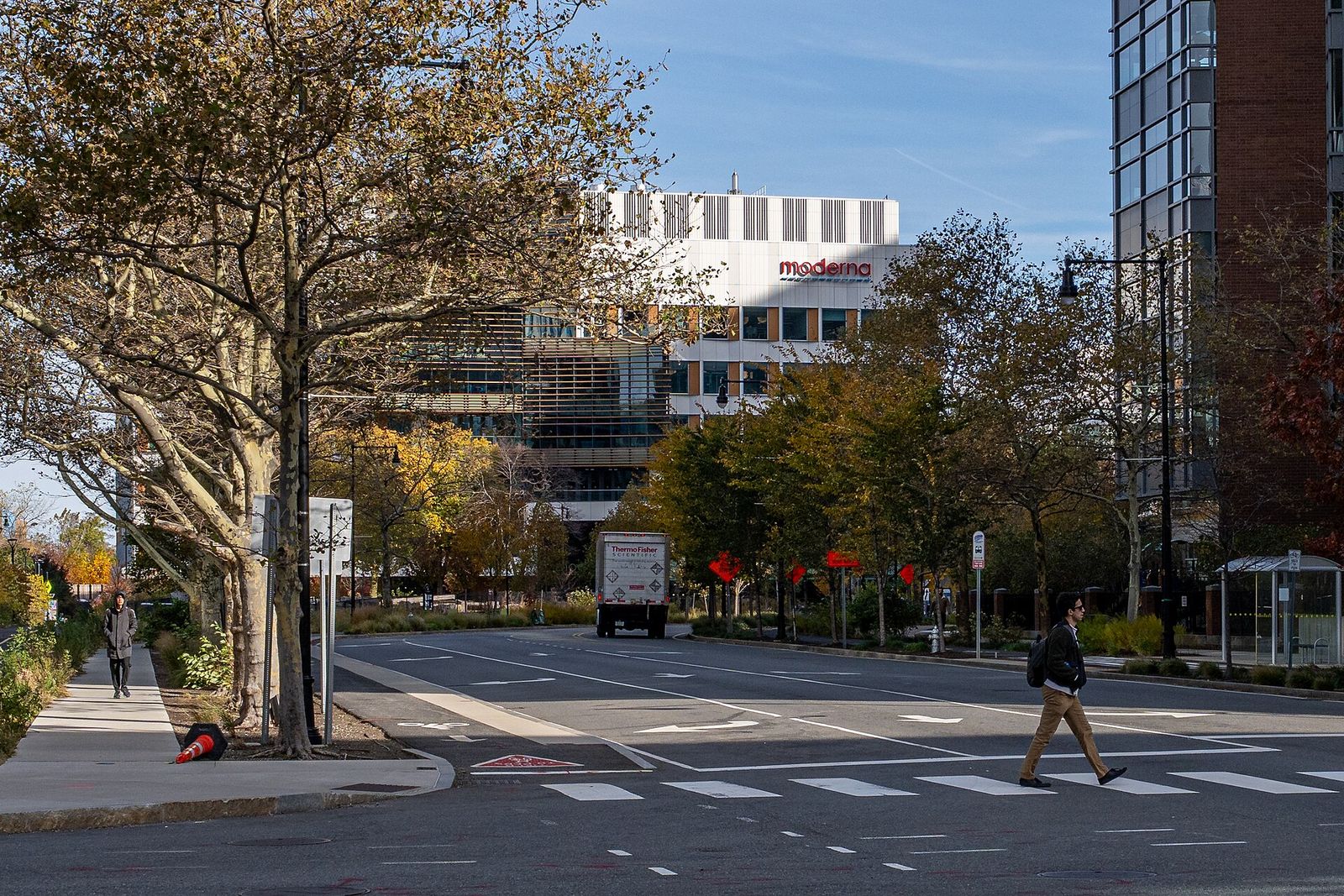
Remember when mRNA was “that COVID vaccine tech”? This week it posted one of the biggest cancer results of the year.
On Thursday, October 22, Merck and Moderna released detailed results from INTerpath-001, a phase 3 trial of intismeran autogene, a personalized mRNA vaccine for melanoma, the most serious type of skin cancer. Added to the immunotherapy drug Keytruda (pembrolizumab), it lowered the risk of the cancer coming back or the patient dying by 42% compared with Keytruda alone.
What the trial actually tested
- Who: 1,137 people with stage IIB to IV melanoma whose tumors had already been completely removed by surgery, across 157 centers.
- How: everyone got Keytruda. One group also got intismeran, the other got a placebo, in a randomized, double-blind setup.
- How long: a median follow-up of about 24.6 months so far.
The numbers
- Recurrence or death: down 42% (hazard ratio 0.58).
- Cancer spreading to distant parts of the body, or death: down 38%.
- At two years: 82.2% of people on the combo were alive with no recurrence, versus 70.0% on Keytruda alone.
- Side effects: serious (grade 3 or higher) treatment-related side effects were similar in both groups, about 14% vs. 13%. The most common ones with the combo were fever, injection-site pain and fatigue.
How a “custom” vaccine works
This isn’t a shot that prevents melanoma. Researchers sequence DNA from each patient’s own tumor, find the mutations that make those cancer cells different from healthy ones, and build an mRNA vaccine that teaches that person’s immune system to recognize them. Every dose is made for one specific patient.
What it doesn’t mean (yet)
- It is not approved. It’s still investigational. The companies say they are now talking with regulators.
- It is not a “cure.” It lowered the risk of the cancer returning; it didn’t eliminate it, and not everyone responded.
- Overall survival data aren’t mature yet. The companies report a favorable trend, but patients will be followed for years. As one researcher told Nature, only time will tell how well it works beyond two years.
- Full data are being presented on Saturday, October 24 at the European Society for Medical Oncology (ESMO) congress in Madrid and have been accepted by The New England Journal of Medicine.
This is news, not medical advice. If you or someone you love has melanoma, your oncologist is the right person to ask about trials and treatment options.
Why it matters
If it gets approved, this could become the first approved mRNA vaccine for cancer, according to Nature. And because the approach is built from each tumor’s own mutations, the same playbook could be tested in other cancers too.
Would you have guessed the tech behind COVID shots would end up being custom-built against cancer? What other disease would you want mRNA aimed at next?
Sources: Merck and Moderna press release (Oct 22, 2026); Nature, “Moderna mRNA vaccine almost halves the risk of skin cancer returning” (Oct 23, 2026); CNBC (Oct 23, 2026); Healio (Oct 23, 2026). Video photos: Moderna HQ by ajay_suresh (CC BY 4.0), pembrolizumab structure by Fvasconcellos (public domain) and melanoma micrograph by Mikael Häggström (CC0), via Wikimedia Commons.